
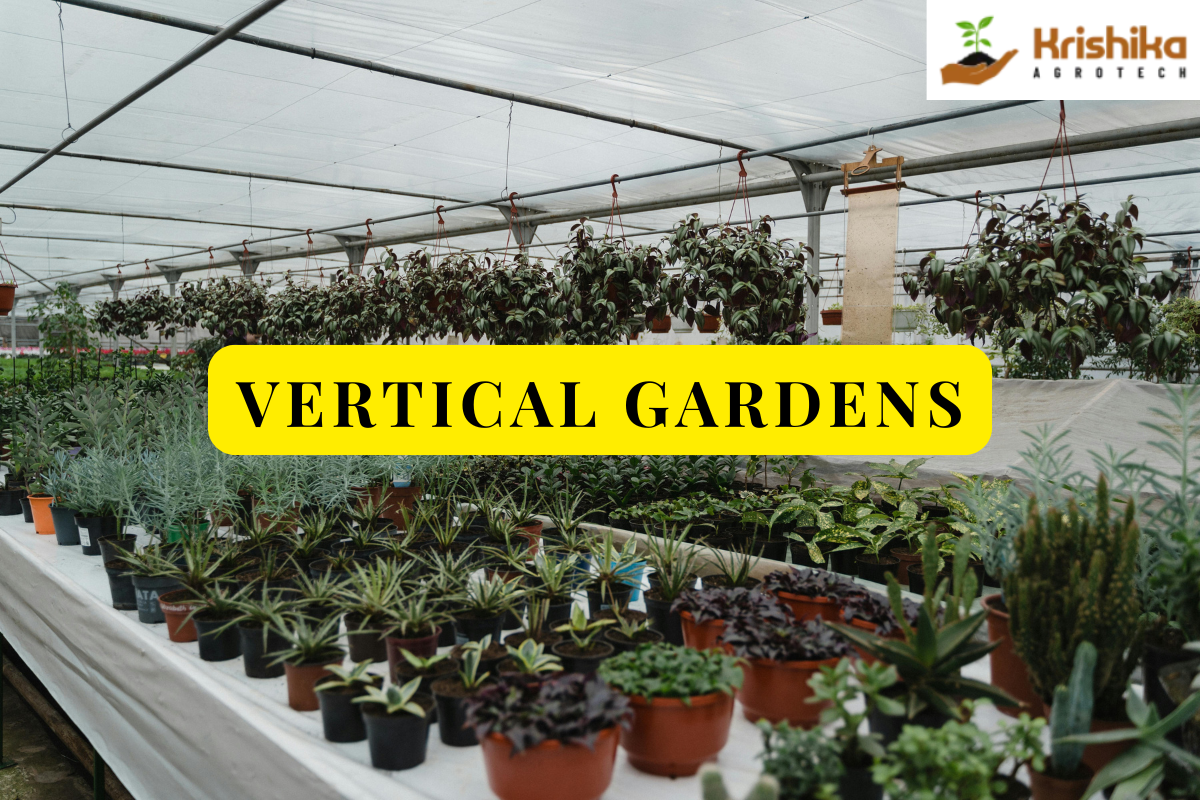
In today’s fast-paced urban lifestyle, fresh produce and green spaces have become a luxury. But what if you could turn your balcony, terrace, or small urban space into a thriving garden? Welcome to the future of urban farming a revolutionary way of growing food in cities using smart techniques like vertical gardens and organic solutions such as vermicompost and cocopeat. As 2025 unfolds, this sustainable practice is reshaping how we approach agriculture in urban settings, helping both hobbyists and serious growers maximize space, improve yields, and grow healthy produce organically.
The Urban Farming Revolution: Why Now?

Urban farming has surged in popularity as people seek sustainable, self-reliant lifestyles. With limited land availability in cities, traditional horizontal farming doesn’t fit the bill anymore. Enter vertical gardens and intensive cultivation techniques ingenious solutions that allow maximum use of available space by growing crops upwards on walls, trellises, and stacked planters.
However, successful urban farming requires more than just space management. The real challenge lies in providing nutrients efficiently to support healthy plant growth in confined areas where soil depth is shallow, and traditional fertilizers may harm the environment or offer inconsistent results.
That’s where organic fertilizers like vermicompost and cocopeat come in game-changers in the urban agriculture space.
How Vermicompost Powers Urban Agriculture
Vermicompost, an organic fertilizer made from decomposed organic waste processed by earthworms, is a powerhouse of nutrients. It’s particularly well-suited for urban farming and vertical gardens because of its unique properties:
- Rich in Essential Nutrients: Vermicompost is loaded with nitrogen, phosphorus, potassium, and micronutrients that plants need for healthy growth.
- Promotes Soil Health: It enhances microbial activity, improving soil structure and plant root development, especially important in container and vertical setups.
- Increases Water Retention: Perfect for urban planters that are prone to rapid drying out.
- Pest Resistance: Beneficial microbes in vermicompost help suppress harmful pathogens, reducing the need for chemical pesticides.
By integrating vermicompost into vertical gardens and intensive cultivation practices, urban growers can achieve faster plant growth, stronger roots, and higher yields without the use of harmful chemicals.
Cocopeat: The Ideal Growing Medium
In urban farming and vertical gardens, maintaining soil quality is critical. Enter cocopeat a byproduct of coconut husk processing, ideal for growing plants in containers and vertical setups. Why is it gaining immense popularity?
- Superior Water Retention: Cocopeat can hold up to 8–9 times its weight in water, providing consistent moisture for plants even in small urban setups.
- Excellent Aeration: Unlike traditional soil, cocopeat offers better root aeration, essential for intensive cultivation where space is limited.
- Eco-Friendly and Sustainable: As a renewable resource, cocopeat aligns perfectly with the eco-conscious mindset of modern urban farmers.
- Lightweight and Easy to Handle: It is perfect for rooftop or balcony gardens where structural load is a concern.
Using cocopeat in combination with vermicompost creates a balanced environment for plants, ensuring they receive the nutrients and support needed to flourish in small spaces.
Vertical Gardens: Making the Most of Limited Space

Vertical gardens represent the perfect solution for urban dwellers who lack horizontal space but want to enjoy fresh produce and ornamental plants. Whether it’s a wall-mounted herb garden or stacked planters growing vegetables, vertical gardens rely heavily on proper soil and nutrient management.
Here’s where vermicompost and cocopeat take center stage:
- Vermicompost acts as a slow-releasing fertilizer, supplying essential nutrients over time without burning plant roots.
- Cocopeat offers excellent moisture retention and aeration, preventing waterlogging and root rot in vertical planters.
Together, they form an ideal combination to boost the health of urban plants and increase yields dramatically compared to conventional potting soil.
The Power of Intensive Cultivation in Urban Farming
Intensive cultivation focuses on maximizing production from a limited space by providing optimum nutrients, water, and care. Urban farming using intensive cultivation, combined with organic inputs like vermicompost and cocopeat, leads to:
- Faster plant growth cycles
- Higher crop yields per square foot
- Lower input costs due to natural fertilizers
- Sustainable gardening with reduced chemical use
Farmers, hobbyists, and urban growers who adopt this method report healthier plants and better productivity while contributing positively to the environment.
Why Wait? Build Your Green Oasis Today
Your Vertical gardening journey doesn’t have to be complicated. With the right organic solutions, anyone can create a flourishing vertical garden or urban farm.
Are you tired of using chemical fertilizers that damage your plants and pollute the environment?
Imagine harvesting fresh, organic vegetables and herbs right from your balcony, nurtured by 100% natural products. Our premium-quality vermicompost and cocopeat are specially formulated to meet the needs of urban farmers and vertical gardening enthusiasts. These products are easy to use, highly effective, and environmentally friendly.
Don’t wait to transform your urban space into a thriving garden.


 Organic Solutions
Gardening & Agriculture Farms
Grow sustainably while protecting Earth’s natural fertility and future.